

Unfortunately Your Protein Powder Probably Has Lead in It
A worrying new lab analysis from Consumer Reports has the details.

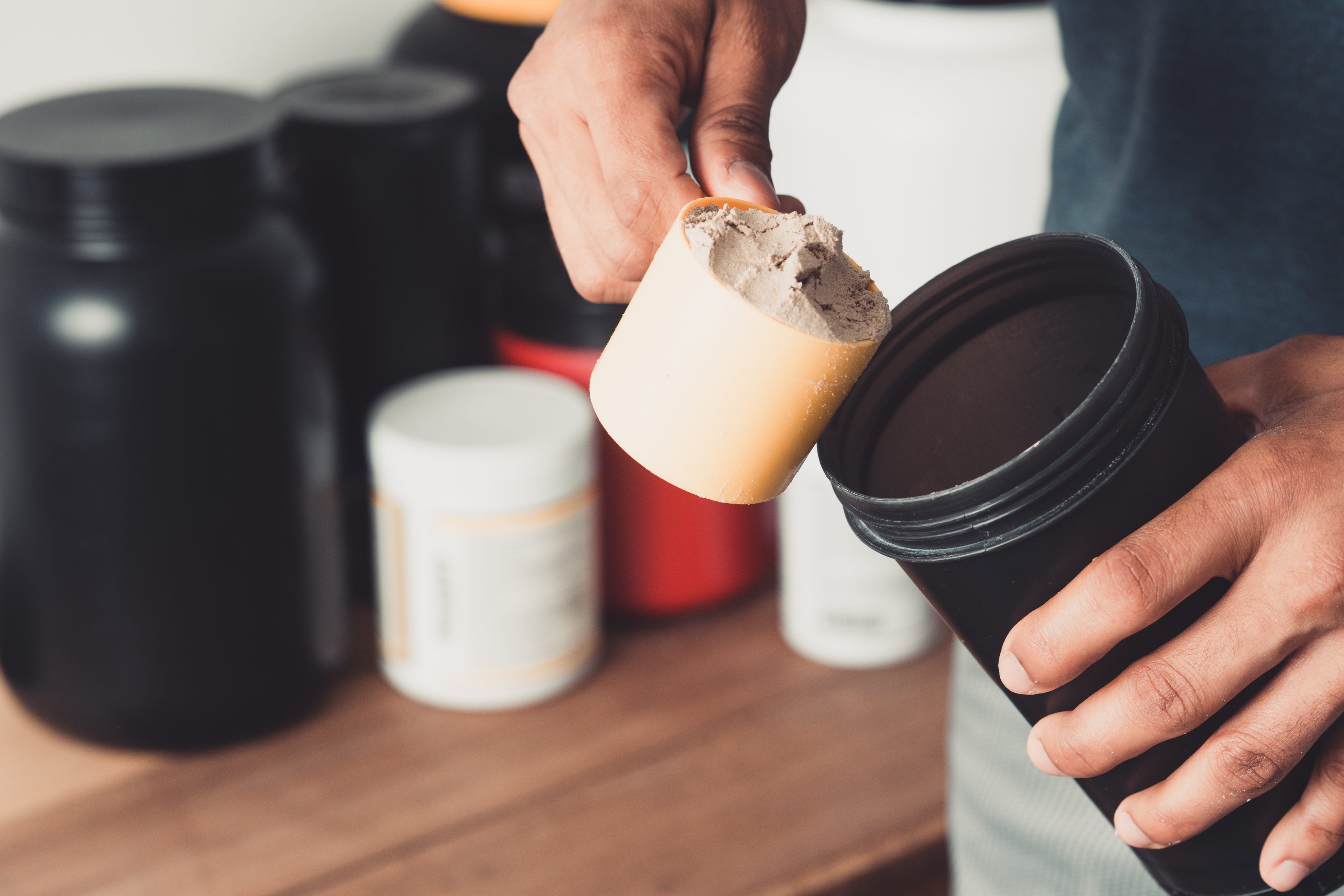
It brings me no pleasure to report (aggregate) that some of the most popular protein powders and shakes on the market have concerning levels of lead in them. Consumer Reports tested 23 popular protein products and found that for “more than two-thirds of the products we analyzed, a single serving contained more lead than CR’s food safety experts say is safe to consume in a day—some by more than 10 times.” (Chat, that sounds bad.)
Interestingly, most of these were found in plant-based protein powders, specifically pea protein:
The lead levels in plant-based products were, on average, nine times the amount found in those made with dairy proteins like whey, and twice as great as beef-based ones. Dairy-based protein powders and shakes generally had the lowest amounts of lead, but half of the products we tested still had high enough levels of contamination that CR’s experts advise against daily use.
What products were the worst offenders? According to CR, two top offenders were Naked Nutrition’s Mass Gainer (7.7 micrograms of lead per serving) and Huel’s Black Edition (6.3 micrograms of lead). Garden of Life’s Sport Organic Plant-Based Protein and Momentous’ 100% Plant Protein were also high on the list.
As I wrote for New York Magazine earlier this year, the protein boom can be attributed to a couple factors: Namely, the desire to transform refuse (whey, pea, hemp) into something that can be packaged and sold to consumers. What used to be thrown away gets mashed up, dried out, and refined into a powder that you can gulp down with water for additional gains.
As for how lead gets into protein powder in the first place, there are a couple of possibilities. It could be the metal in the machinery used to process the plants, for example. But this part from the CR findings jumped out at me:
Many companies don’t disclose where they source their pea protein, making it hard to know exactly where the products we tested came from. Historically, though, much of the pea protein used in U.S. food production is imported from China, according to data from the U.S. International Trade Commission. That’s notable because while the FDA has the authority to audit foreign supplement makers, it rarely does.
Brown rice, for example, has higher levels of heavy metals like arsenic in it compared to white rice, as the minerals get drawn up from the soil and stored in the husk. Peas are similar in that they absorb heavy metals from the ground as they grow, which I suspect might help explain why plant-based proteins were found to have higher concentrations of lead compared to, say, whey, which comes from cows.
As Consumer Reports noted, the concentrations of lead probably aren’t enough to give you plumbism and necessitate a fainting couch, but it’s probably smart to switch to a protein that, uh, doesn’t have any lead in it. Like, for example, Muscle Tech 100% Mass Gainer (0 micrograms of lead!). Or just eat a steak and some eggs or whatever.
(Hat tip to Delia Cai and Alex)
Thanks as always for reading HEAVIES. Consider becoming a paid subscriber if you enjoyed this post or found it useful. I’m in Vegas this week reporting a big hoking magazine story that I’m excited for you all to read in the near future.
Shout out ON?
Any pea protein powders that are considered safe?